Find Lasting Pain Relief for Troublesome Temporomandibular Joints
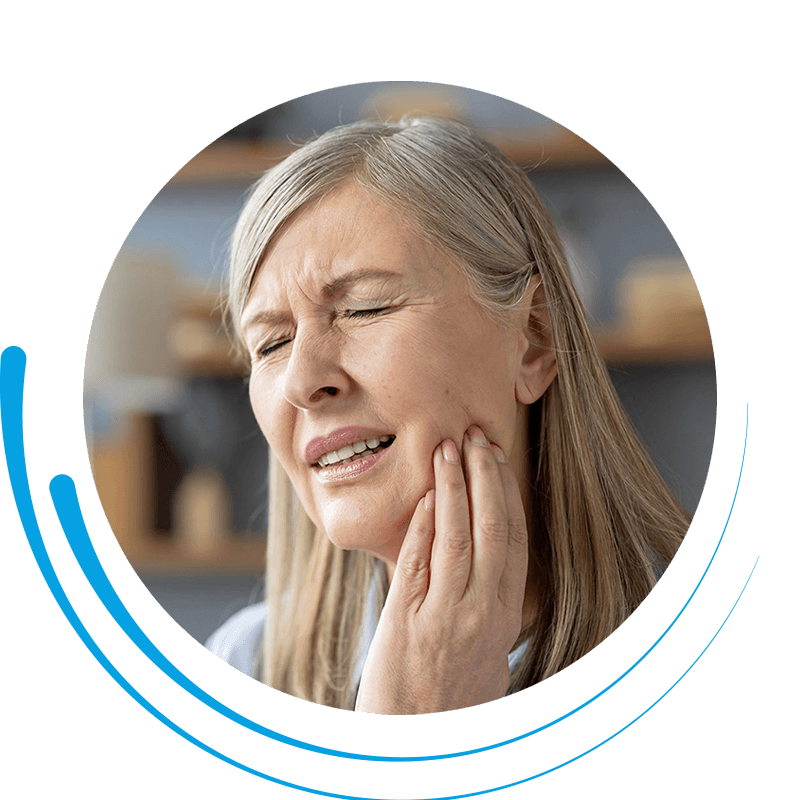
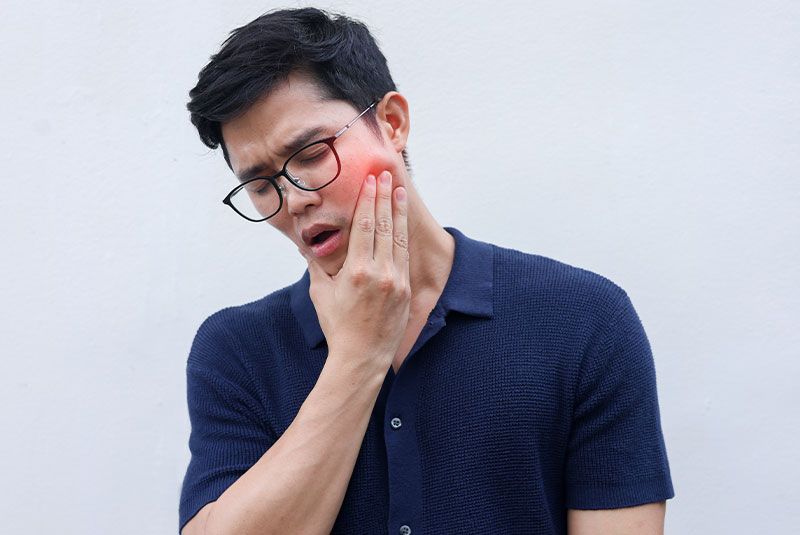
Temporomandibular joint disorder (TMD) can cause persistent jaw pain, headaches, and difficulty chewing.
Evidence-based temporomandibular joint therapy in Chicago, IL, that’s tailored to your needs can provide much-needed TMJ pain relief. Early TMJ treatment at Centennial Dental Group can restore comfort, improve your jaw function, and prevent long-term complications.
What TMD is and How It Affects Your Jaw and Wellness
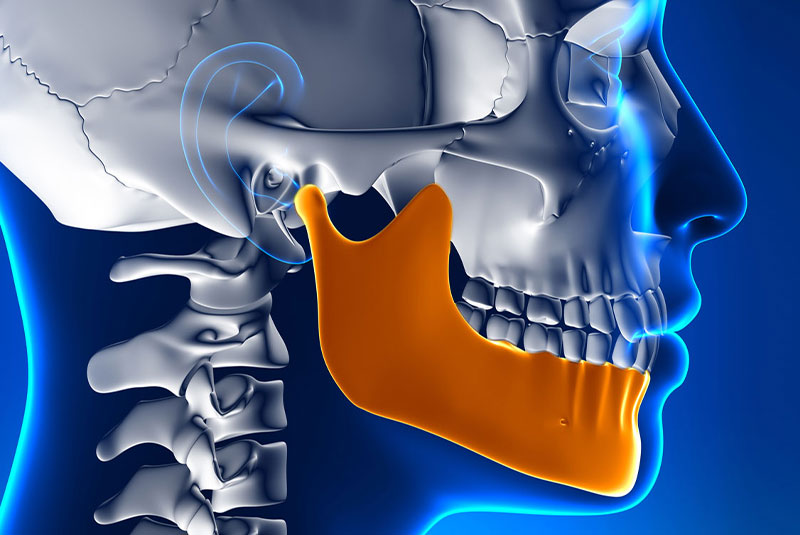
Located on each side, the temporomandibular joints connect your lower jaw to your skull, allowing your upper and lower jaw to open and close, while facilitating chewing and speaking. TMD affects both the joints and surrounding muscles, causing pain, stiffness, or difficulty opening and closing your mouth.
Why Your Jaw Hurts: Common Causes of TMD
Jaw injuries from accidents or sports that strain TMJs
Tooth grinding/clenching (bruxism) that wears down jaw muscles
Arthritis or joint degeneration resulting in pain and limited jaw movement
Misaligned bites or orthodontic issues creating uneven jaw pressure
Stress-related muscle tension that leads to discomfort and stiffness
Poor posture in the neck and shoulders contributing to jaw pain over time
Understand the Warning Signs of TMJ Disorder
Jaw pain or tenderness
Clicking or popping sounds
Jaw locking or limited movement
Chronic headaches, migraines, or neckaches
Earaches or ringing in the ears (tinnitus)
Facial muscle soreness
Difficulty chewing or biting
Healing TMJ Disorder Treatment in Chicago, IL
After a confirmed diagnosis is made at Centennial Dental Group, initial goals focus on resolving your pain and dysfunction. In addition to specific treatments, adjunctive measures that can help include jaw rest, soft diet, moist warm compresses, and passive stretching exercises.
BOTOX®
By carefully injecting BOTOX into the jaw muscles, the nerve signals responsible for muscle contractions and tension are temporarily blocked. This causes overactive muscles to relax, alleviating chronic jaw pain, reducing involuntary grinding, and easing tension headaches.
Oral Appliance and Splints
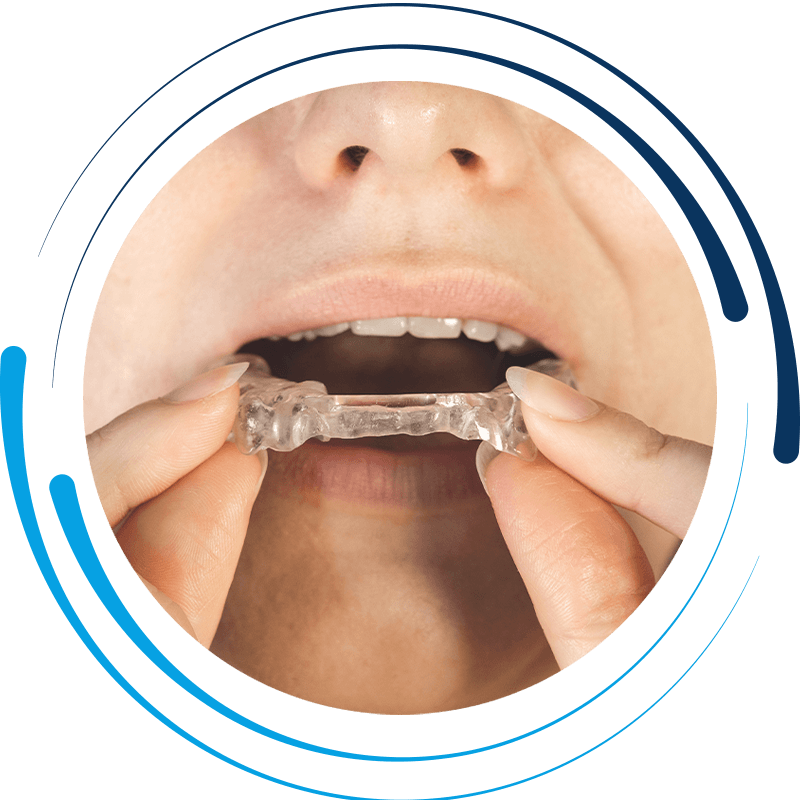
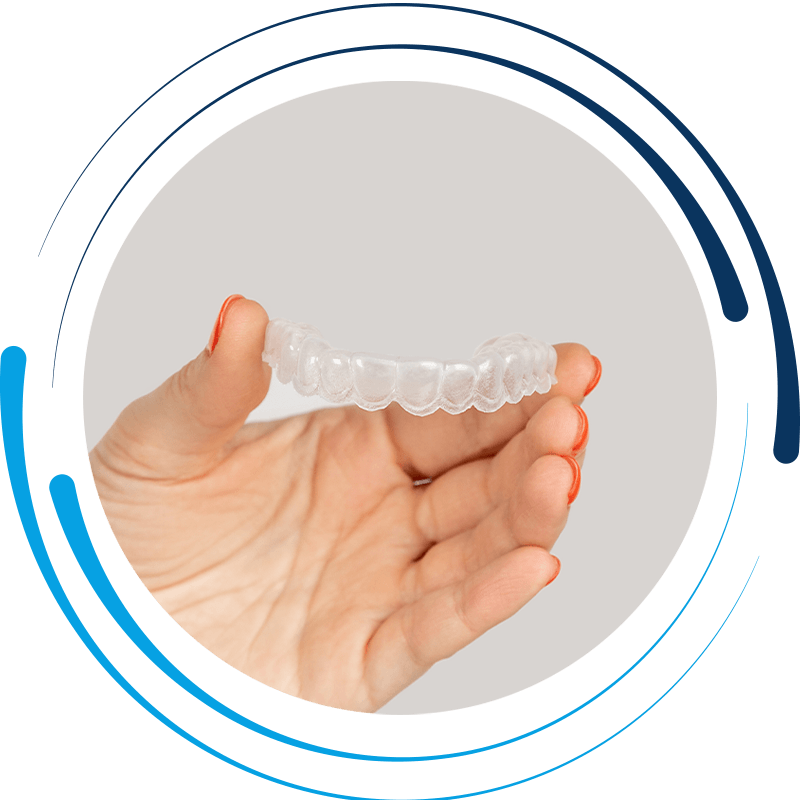
The use of customized, well-fitting occlusal splints or oral appliances is thought to alleviate or prevent degenerative forces placed on the TMJs. These devices are especially helpful if you suffer from severe bruxism and nocturnal tooth clenching.
Orthodontics
Orthodontics or clear aligners can help alleviate TMJ disorder by realigning misaligned teeth and correcting bite issues (malocclusion) that put excessive strain on the jaw joints. Restoring a more balanced bite reduces uneven pressure and allows jaw muscles to function more naturally
A Quick Guide to Checking for Possible TMD at Home
While the best path to a confirmed TMD diagnosis is an evaluation at Centennial Dental Group, the following self-screening tips can provide clues about this condition.
Try placing your index, middle, and ring fingers vertically into your open mouth up to the second knuckle. Difficulty or pain may signal limited jaw movement.
Examine whether your upper front teeth align properly over your bottom teeth. Uneven wear or misalignment may indicate a bite problem affecting your TMJs.
The Importance of Professional Jaw Pain Treatment in Chicago, IL
If TMJ disorder isn’t treated, jaw pain and stiffness can worsen, making everyday activities like chewing or speaking highly challenging.
This can negatively impact both your physical health and emotional well-being. Furthermore, untreated TMJ issues can cause permanent joint damage, uneven tooth wear, painful malocclusion, and even require arthroscopic surgery.
You Deserve a Pain-Free Smile.
Find relief by scheduling a TMJ treatment visit in Chicago, IL, today!